Look, if you find yourself hiding gambling losses or sneaking in secret gambling spending, it’s a big red flag. Gambling concealment is more common than you might think, but that doesn’t make it harmless—especially when it starts eroding trust in a relationship. Before diving into the “why” and “how” of this behavior, let’s take a step back and understand the real cost of gambling and the tools designed to keep it safe.
You Know What’s Funny? Most People Treat Gambling Like an Investment
Ever notice how some gamblers talk about “returns,” “bankroll growth,” or “beating the system”? It’s like they’re managing a portfolio rather than buying a movie ticket or a chocolate bar. The truth is, gambling is not an investment. It’s a bounded purchase—a form of entertainment you pay for, knowing you might lose, just as you do when you go to the cinema or buy a meal.
But here’s where the confusion—and trouble—starts:
- Investment mindset: Chasing winnings, trying to double up, or treat play as “making money.” Purchase mindset: Knowing the maximum amount you will spend and treating losses as the price of admission.
Understanding gambling as a purchase is crucial because it helps cultivate realistic expectations and healthier spending habits. For example, if you’re spinning a slot game at MrQ, where each spin costs about twenty pence, you can calculate how much money drifts away over time if you don't set limits.
House Edge and Real Cost per Hour: The Invisible Drip of Money
Let’s break down that twenty pence spin. The house edge is the built-in amount that, over time, the casino keeps. This isn’t magic; it’s math. Suppose a slot has a return to player (RTP) of 95%, meaning on average, you lose five pence every twenty pence spin.
Metric Value Cost Per Spin £0.20 Expected Loss Per Spin (5%) £0.01 Spins Per Hour (120 spins) 120 Expected Loss Per Hour £1.20It sounds small, but playing fast at twenty pence a spin could quietly drain over a pound an hour. Multiply that over weeks or months, and the numbers really add up. This is the kind of slow trickle that’s easy to lose sight of—especially if you’re playing for hours and hiding your losses.
Notice Something? Tools Like Deposit Limits and Reality Checks Are Underused
The NHS gambling clinic system and most reputable gambling sites like MrQ offer harm reduction tools. A couple stand out for their simplicity and effectiveness:
- Deposit limits: You set a hard cap on how much money you can add to your gambling account daily, weekly, or monthly. Reality checks: These pop-ups remind you how long you’ve been playing and how much you’ve wagered or lost.
You know what’s funny? Despite how straightforward these tools are, https://enyenimp3indir.net/why-gambling-companies-must-offer-deposit-limits/ many people avoid them. It’s almost like setting a deposit limit is admitting you can lose control. But these are here to prevent the exact pitfalls that lead to hiding gambling spend from partners.
Time Distortion and Why Reality Checks Matter
When you’re online or on a fast-paced slot game like on MrQ’s platform, time melts away. What seems like 15 minutes can turn into an hour or more without you realizing it. This “time distortion” leads to spending more than you planned—money you might then feel compelled to hide.
Reality checks force a pause, a moment to step back, evaluate how much time you’ve actually spent, and decide whether you want to continue. They’re simple but surprisingly effective if you give them a chance.
Why Hiding Gambling Losses Is a Warning Sign
Secret gambling spending signals a breakdown in trust and control. When someone hides losses, it often means:
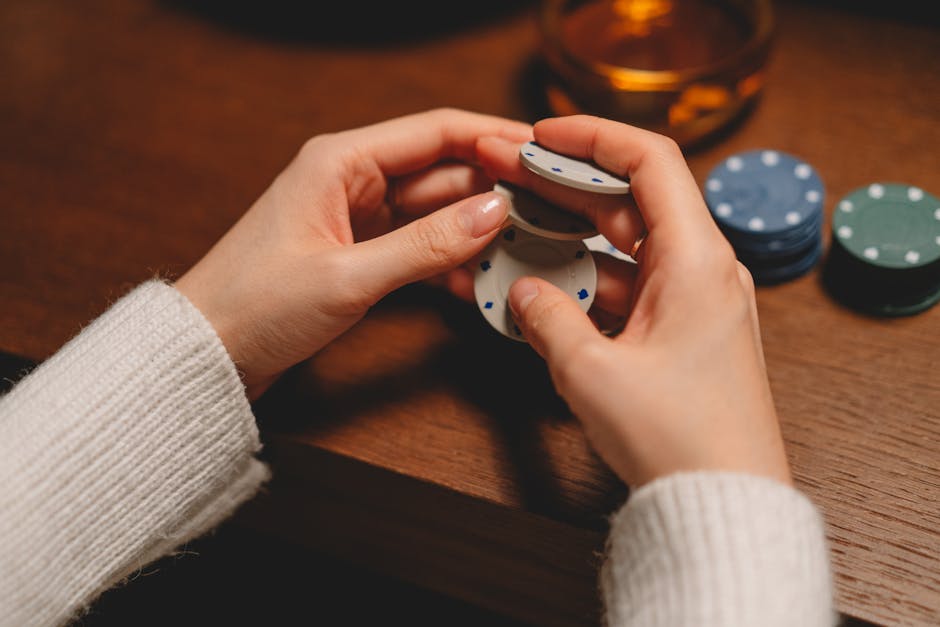

Almost always, hiding losses leads to more significant problems than the amount of money involved. It’s the snooping, the fibbing, the emotional burden that wears down the person and those around them.
A Common Mistake: Gambling as a Way to "Fix" Money Issues
One pitfall I saw time and again in the NHS system is people thinking gambling will solve financial pressure—treating it like gambling is an investment to turn money around quickly. This is the fastest way to lose more and risk gambling concealment. Remember: You should never gamble money you cannot afford to lose, and gambling should never be a strategy for paying bills.
Practical Advice to Avoid Gambling Concealment
- Set and Use Deposit Limits: Decide in advance how much you want to spend and stick to it. Deposit limits on sites like MrQ are easy to activate and can’t be overridden impulsively. Use Reality Checks: Enable pop-ups that remind you when you’ve been playing for a certain time or spent a certain amount. Talk Openly: Hiding gambling loses is a sign of trouble. If you’re worried or stressed about spending, consider reaching out to your partner or seek help from NHS’s gambling support services. Remember the Purchase Mindset: You pay for entertainment, not an investment return. Treat gambling like a night out, with a clear budget and no expectations of profit.
In Summary
Gambling concealment isn’t just about the money. It’s about trust, mental health, and self-awareness. When you hide gambling losses from a partner, you’re probably signaling deeper unresolved issues around control and understanding the real cost of gambling.
Luckily, sites like https://reliabless.com/what-percentage-of-gamblers-use-deposit-limits/ MrQ and the NHS provide tools and support to help keep gambling as safe as it should be. If you find yourself slipping into hiding your spend, consider using deposit limits, reality checks, and talking openly—it’s never too late to stop the cycle before it worsens.
Keep in mind: Hiding isn't a failure; it's a sign. A sign you need to pause, reflect, and reclaim control.