Probability is a concept we learn early: it’s about understanding how likely an event is to happen. In pure math or science, probability helps us make rational predictions. But when money enters the picture, especially in gambling or investing, our grasp on probability often slips. Players who use online casino platforms like MrQ frequently experience this firsthand. Despite knowing the odds, many gamblers still misjudge their chances, leading to unexpected wins or losses.
I'll be honest with you: in this article, we’ll explore why probability is so often misunderstood when real money is at stake. We’ll look at how uncertainty creates anticipation, why simple game mechanics can hook us, and why emotional risk decisions overwhelm pure logic. Along the way, we’ll define key terms like probability bias—a cognitive distortion that skews how we perceive chances—and explain how decision errors arise from these biases.
The Role of Uncertainty and Anticipation
Uncertainty is at the heart of probability, but it also triggers a strong psychological response: anticipation. When money is involved, the thrill of “not knowing” can be intoxicating. Imagine you’re playing a slot machine on a platform powered by the random number generators (RNG) technology such as those used by providers like NetEnt. You press the spin button, and the symbols flash unpredictably.
This uncertainty isn’t just a neutral fact. It creates anticipation, which heightens your emotional state. The Harvard Business Review has analyzed how anticipation can make rewards feel more valuable than they objectively are. In gambling, this anticipation distorts our Visit website sense of probability—players often overestimate their likelihood of winning because the emotional payoff is so intense.
Example: Waiting for the Spin Outcome
- Each spin’s outcome is determined by an RNG, ensuring fairness and unpredictability. The player experiences a rush of anticipation during the spin, which feels thrilling but is unrelated to actual odds. This emotional state can cloud the player’s judgment about how often wins truly occur.
Simple Mechanics Can Be Highly Engaging
Why do so many players flock to casino games that boil down to basic probability? Partly because simplicity breeds engagement. The games hosted by sites like MrQ often use straightforward rules that are easy to understand—for example, guessing red or black on a roulette wheel or spinning reels looking for matching icons.
Simple mechanics hide complex probability beneath an accessible surface. When you know the game’s rules, it feels like you can control the outcome. This sense of control inflates our perception of chance and feeds into what psychologists call probability bias.
Probability Bias Explained
Probability bias refers to the tendency of individuals to misinterpret or misjudge probabilities in ways that favor their desired outcomes. In gambling, this might look like believing a certain slot machine is "due" to pay out or thinking that after several losses, a win is more likely—both errors related to the “gambler’s fallacy.”
Online casino platforms take advantage of this, offering fast-paced games that keep players involved and optimistic about outcomes—despite the true statistics remaining constant.
Risk Decisions Are Emotional, Not Purely Rational
It’s tempting to think that when money is on the line, people act logically. The reality is far more nuanced. Risk and rewards are not just financial calculations; they tap deep into our emotional brain circuits. Neuroscience research shows that the anticipation of reward activates dopamine pathways, creating feelings of pleasure and motivation.
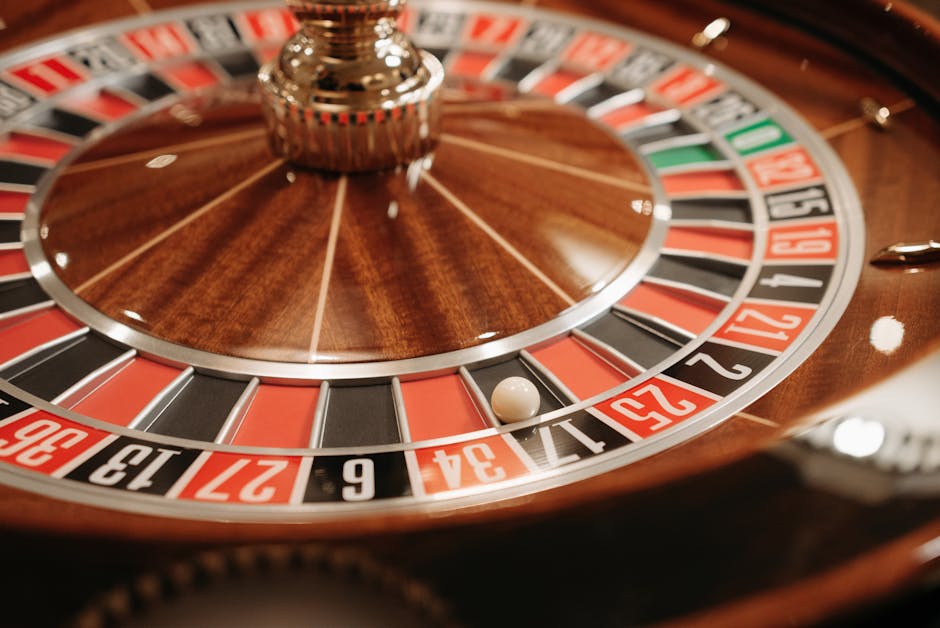
This emotional pull means decisions about risk often stray from pure rational cost-benefit analysis. A player on MrQ might know the odds of winning a particular game are low but chase that thrill anyway. This mix of logic and emotion why slots are fun complicates our understanding of probability in monetary scenarios.
Decision Errors Arising from Emotional Influence
Overconfidence Bias: Believing personal judgment or skill overrides chance. Availability Heuristic: Remembering big wins more than small losses. Loss Aversion: Taking bigger risks to avoid feeling losses, even if it's irrational.In practice, these errors cause players to misread the odds and persist in risky behavior despite overall expected losses.
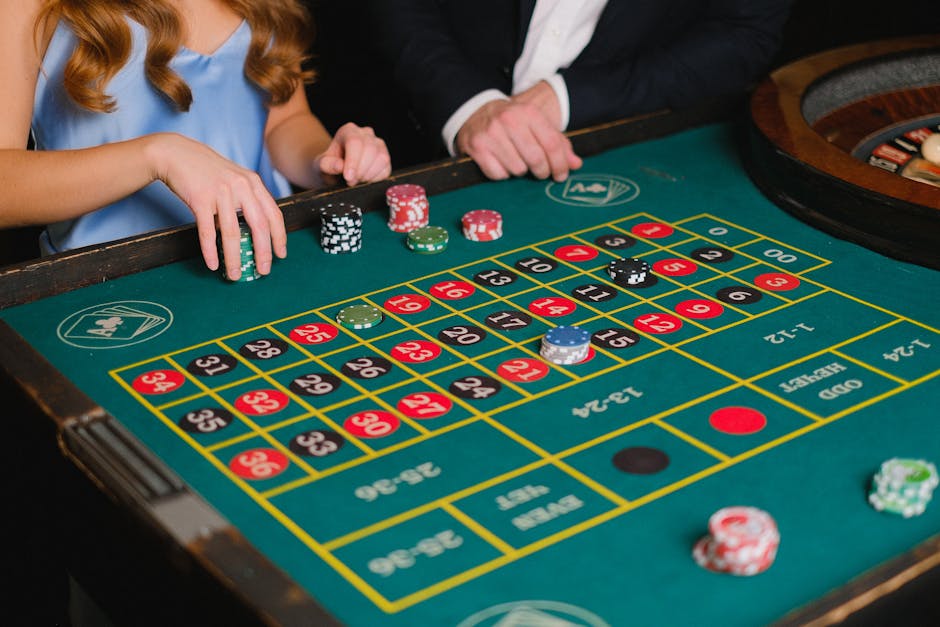
Cognitive Biases Shape How Probability Is Perceived
Beyond the emotional factors, several well-studied cognitive biases influence how people see probability when money is involved.
- Gambler’s Fallacy: The mistaken belief that past outcomes affect future independent events (e.g., “the slot machine hasn’t paid out in a while, so it must soon”). Confirmation Bias: Seeking evidence that supports a hopeful outcome and ignoring contradictory information. Anchoring: Relying too heavily on an initial piece of information, like a recent win, to judge likelihood. Probability Neglect: Focusing on the potential size of a reward and ignoring its improbability.
These biases contribute to probability bias and increase decision errors during risky gambling situations.
How Online Casinos Use These Understandings
Companies behind online casino platforms like MrQ design their games with insights into these psychological and behavioral principles. By using random number generators (RNG) to ensure fair and unpredictable outcomes, they maintain trust and compliance with regulators. Meanwhile, the design of games leverages the dynamics of anticipation and probability bias to keep players engaged.
For example, simple interfaces and instant feedback tap emotional circuits related to risk and reward. Leaders in the industry, including game developers like NetEnt, continually research player behavior to refine their offerings.
Summary Table: Why Probability Misunderstanding Happens with Money
Factor Explanation Impact on Probability Perception Uncertainty & Anticipation Unpredictability of outcomes builds emotional anticipation. Amplifies perception of chances, leading to optimism bias. Simple Mechanics Easy rules create illusion of control. Leads to probability bias like gambler's fallacy. Emotional Risk Decisions Emotions override cold calculations in risk-taking. Causes decision errors favoring risk over rational odds. Cognitive Biases Systematic mental shortcuts skew probability interpretation. Result in persistent misjudgments and gambling fallacies.Final Thoughts: Navigating Probability Bias in Gambling
Misunderstanding probability when money is involved is not simply a lack of knowledge—it’s a complex interplay of psychology, emotion, and cognitive quirks. Awareness of probability bias, risk and reward dynamics, and common decision errors can help players approach games on platforms like MrQ more thoughtfully.
While the excitement of gambling taps natural human responses to uncertainty, recognizing these mental patterns helps keep risk-taking balanced. Whether you’re spinning a NetEnt slot or betting on a virtual wheel, keeping probability realistic, and emotions in check, contributes to smarter, more enjoyable gameplay.
For readers interested in learning more, the Harvard Business Review offers excellent insights into how anticipation and behavioral biases impact decision-making beyond gambling, applicable to investing, negotiations, and daily choices.
```