Let’s be honest: your phone is a battleground. On one side, you have the relentless ping of Slack, Microsoft Teams, or an unending thread of urgent emails. On the other, you have that one game—the one you open the second the cursor on your laptop stops blinking or you’re waiting for the next train at London Bridge.
We’ve stopped pretending that we sit at a desk for eight hours and work in a straight line. The reality of modern digital behaviour is fragmented. We are constantly switching contexts, moving from a stressful spreadsheet to a quick round of a puzzle game or a live dealer hand in the space of thirty seconds. It isn't just a lack of focus; it’s how we survive the grind. Here is why our relationship with our phones has changed, and why the "work-play" bounce is now the default setting for millions of us.

The Decline of the "Desktop-Only" Mindset
A decade ago, you worked at a computer, and you went home to "play" on a computer. The transition was physical. You packed your bag, you walked out of the office, and your work stayed behind. Today, our mobile habit changes have obliterated that line. The smartphone is now the primary gateway to both our professional obligations and our personal relief valves.
Because the phone is always within arm’s reach, the barrier to entry for both work and play has collapsed. When you’re waiting for a file to upload or for a colleague to stop typing in a group chat, your brain naturally searches for a hit of dopamine. This is where short downtime entertainment comes in. It’s not about deep immersion; it’s about the 90-second fix. If an app takes longer to load than it takes to check a notification, we close it. We simply don't have the patience for slow tech anymore.
The "Five-Minute Commute" Phenomenon
Think about your morning journey. You’re on the Tube, checking your inbox to see if you’ve been tagged in a task. You finish that, you close the app, and you instantly swipe over to a game. This isn't just "killing time"—it’s a conscious decision to reclaim a moment of autonomy before the workday really starts. The apps that win in this space are the ones that respect the brevity of the moment. If I’m in a lift or waiting for a coffee, I don’t want a 20-minute quest. I want a responsive, fast-loading experience that respects my limited attention span.
Responsive UX: Why Onboarding Matters
If you have ever downloaded a mobile game only to be hit with a three-minute, unskippable tutorial about "kingdom-building lore," you know the feeling of immediate regret. That is a massive failure in responsive mobile UX. In our world of constant message-bouncing, onboarding needs to be invisible.
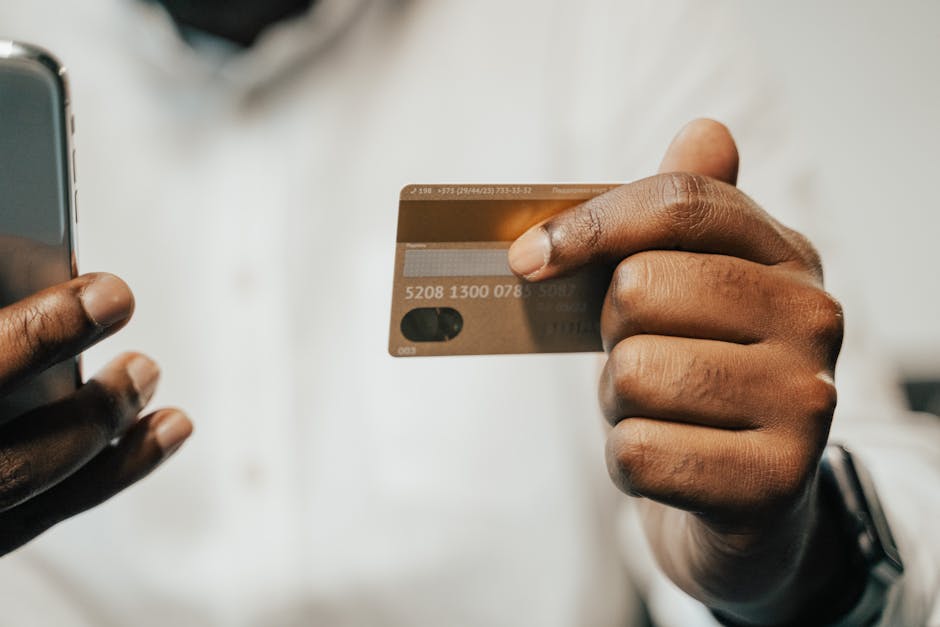
The best apps—the ones we keep on our home screens—understand that we are likely distracted. They let us jump straight into the action. If I’m playing a quick game of Blackjack or a fast-paced match-three puzzler, I want to see the action within five seconds of tapping the icon. If the app is clunky, slow, or requires me to sign into three different social media accounts just to see the main menu, it gets deleted. Period. Developers often overpromise with fancy graphics and "cinematic" intros, but the users—us—just want things to work instantly.
The Rise of Live Dealer and Real-Time Interaction
There’s a reason why live dealer and real-time interaction games are booming while static, pre-programmed games are stagnating. When you’ve been staring at a static email inbox for two hours, the last thing you want is another static, pre-recorded screen. Humans are social creatures, even when we’re hiding in the loo at work for a break.
Seeing a live human dealer, or engaging in a real-time multiplayer match, provides a sense of connection that a cold, solitary interface cannot. It feels "live." It feels like something is happening in the real world. During talentedladiesclub.com my own lunch breaks, I find myself drawn to platforms where I can see movement and activity, even if I only stay for a few rounds. It’s a way of saying, "I’m taking a break, and I’m doing something that feels tactile."
Comparing the Digital Contexts
To understand why we bounce, look at the difference in how these apps handle our time:
Feature Work Messages (Slack/Teams) Mobile Games Goal Task Completion / Coordination Dopamine / Reset Load Time Expected to be "Always On" Must be near-instant Engagement High Cognitive Load Low to Medium Cognitive Load Onboarding Corporate Policy/Guide Skip-able or IntuitiveThe Problem with Vague Promises
One of my biggest gripes with modern apps is the way they market themselves. You’ll see advertisements for mobile games promising "Infinite Worlds" or "Life-Changing Strategies," and it’s all just fluff. We know what we want. We aren't looking for a "digital transformation" in our downtime. We’re looking for a quick, reliable diversion that works as well on 4G as it does on Wi-Fi.
When an app promises a "premium mobile experience" but has a slow, stuttering menu, it insults our intelligence. We use these devices all day; we know what good software feels like. A good mobile experience is quiet, fast, and does exactly what it says on the tin. If you have to use a buzzword to explain why your app is "disruptive," you’ve already lost the battle for my thumb-swipe.
Final Thoughts: Why We Can’t Stop Bouncing
We bounce between work messages and games because our modern life is a series of tiny, fragmented opportunities. We aren't being lazy; we are being efficient with our mental energy. The work apps give us the pressure, and the mobile games give us the pressure-release valve.
The tech that sticks—the stuff that actually survives the "commute test" or the "waiting-for-the-kettle-test"—is the tech that understands human behaviour. It acknowledges that we are constantly distracted, that our hands are always busy, and that we have very little patience for corporate nonsense. We want tools that help us work, and we want games that let us breathe. Anything else is just digital clutter that we’ll eventually uninstall.
So, next time you catch yourself switching from a spreadsheet to a game and back again, don't worry—you aren't alone. It’s just the natural rhythm of the modern, connected life. Just make sure the game loads quickly enough to get a turn in before your boss sends that next follow-up message.